Taking out a loan while living abroad can help cover temporary cash flow gaps, medical expenses, relocation costs, or other unexpected financial needs. Foreign residents in Singapore may obtain financing from banks or a licensed money lender in Singapore, provided they meet the relevant eligibility requirements.
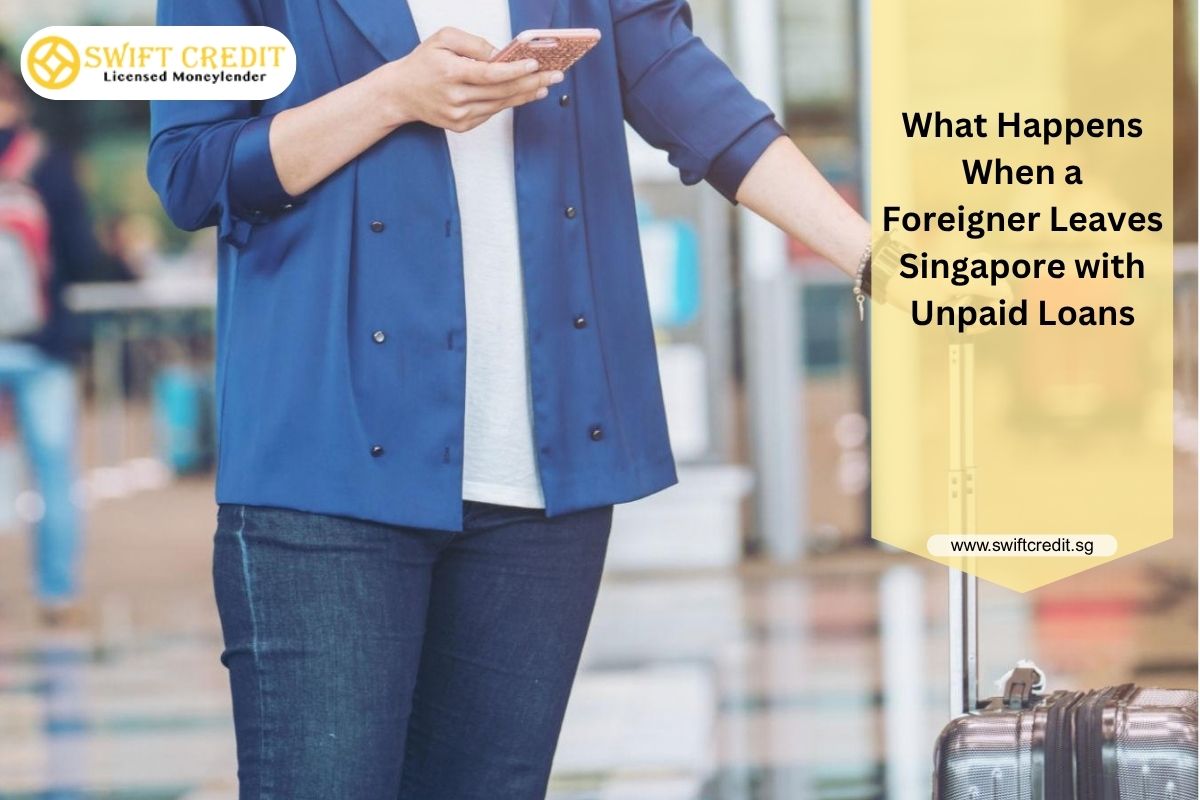
However, life can change quickly for expatriates and work pass holders. Job loss, family emergencies, relocation, or an expired employment pass may force someone to leave Singapore before a foreigner loan has been fully repaid.
Leaving the country does not automatically cancel a valid debt. A loan agreement remains a financial obligation, and ignoring it can create additional legal and financial complications.
The Financial And Legal Aftermath
The Illusion Of A Clean Break
Some borrowers assume that once they leave Singapore, their unpaid loan will simply disappear. In reality, changing countries does not automatically erase a valid loan agreement.
The borrower may still owe the outstanding balance, interest, and any permitted fees. The lender may also continue trying to recover the debt through appropriate channels.
What Happens When Payments Are Missed
Once a scheduled repayment is missed, the lender may contact the borrower and request payment. Depending on the agreement, permitted late fees or late interest may also apply.
Ignoring repeated communications can make the situation more difficult. Borrowers who explain their financial circumstances early may have a better chance of discussing alternative repayment arrangements.
The Debt Remains After Departure
Leaving Singapore does not terminate the borrower’s contractual obligations. If money is still outstanding, the lender may continue to seek repayment even after the borrower relocates overseas.
This applies whether the loan came from a bank, financial institution, or licensed money lender in Singapore. The specific recovery process depends on the lender, loan agreement, outstanding amount, and individual circumstances.
Possible Collection Efforts
Lenders May Continue Contacting The Borrower
A lender may continue communicating with a borrower after the borrower leaves Singapore. This could include contact through email, telephone, or other details that were provided during the loan application.
Borrowers should therefore keep their contact information updated. Remaining reachable can make it easier to discuss repayment rather than allowing the debt to escalate.
Debt Collection May Continue
In some cases, a lender may appoint a debt collection agency to recover the unpaid balance. Debt collectors must still follow applicable rules and should not use unlawful harassment, threats, or abusive behaviour.
Borrowers should keep records of all communication and ask for written confirmation of the outstanding amount. If a collection request appears suspicious, the borrower’s first step should be to verify who is making the request.
Overseas Recovery Can Be More Complex
Recovering debt from someone living overseas can be more complicated than recovering it locally. The process may depend on the amount owed, the destination country, local laws, court procedures, and whether a judgment has already been obtained.
This does not mean the debt disappears simply because the borrower has left Singapore. It only means that the method of recovery can become more complex.
Legal Consequences Of Unpaid Loans
Unpaid Debt Is Generally A Civil Matter
Failing to repay an ordinary loan is generally treated as a civil debt issue. A creditor may decide to take legal action to recover the money that remains unpaid under the agreement.
Borrowers should not assume that leaving Singapore prevents a lender from starting legal proceedings. If court documents or legal notices are received, they should be taken seriously.
A Lender May Start Court Proceedings
A lender may choose to file a civil claim for the unpaid debt. If the borrower does not respond to legal proceedings, the court may still make orders depending on the circumstances of the case.
A judgment can make the situation more serious because the debt is formally recognised by the court. Borrowers involved in legal proceedings should seek appropriate legal advice rather than ignoring the issue.
Local Assets May Be Affected
If the borrower still has assets or funds in Singapore, they may become relevant if a lender obtains the necessary court orders. The exact enforcement options depend on the nature of the asset and the applicable legal process.
For this reason, it is usually better to deal with repayment problems early. Waiting until legal action has progressed can reduce the borrower’s available options.
Can Unpaid Loans Affect A Return To Singapore?
Debt Does Not Automatically Mean Arrest
A common fear is that unpaid debt automatically leads to arrest when a borrower returns to Singapore. Ordinary unpaid consumer debt is generally a civil matter and does not automatically result in arrest.
However, the situation may be different if separate criminal issues are involved, such as fraud, forged documents, or false information. The legal consequences depend on the actual facts of the case.
Future Borrowing May Become Harder
An unresolved debt may also affect a borrower’s ability to obtain credit in the future. Depending on the lender and how the debt is recorded, future applications for financing may be more difficult.
Returning to Singapore with unresolved financial obligations can therefore create additional inconvenience. Resolving the debt properly is usually a better option than hoping it will be forgotten.
Why Foreign Borrowers May Fall Behind
Sudden Job Loss
Foreign workers can face unique financial pressures because their ability to remain in Singapore may depend on their employment. Losing a job can reduce income while also creating immediate relocation and travel expenses.
A borrower may suddenly need to pay for flights, accommodation, shipping, and daily living costs while still servicing a foreigner loan. This can quickly put pressure on monthly repayments.
Family Or Medical Emergencies
Unexpected medical issues or family emergencies may also require a borrower to return home suddenly. In such situations, immediate personal needs may take priority over existing loan repayments.
Although these situations can be difficult, avoiding the lender completely may make matters worse. Early communication can help both parties understand what repayment options are available.
Poor Financial Planning
Some borrowers struggle because they take on repayments that are too high for their income. A loan may appear manageable at first, but rent, food, transport, insurance, remittances, and other living costs can reduce available cash significantly.
Borrowers should always calculate what remains after essential expenses before taking a loan. This helps reduce the risk of repayment problems later.
What To Do Before Leaving Singapore
Contact The Lender Early
If you know you will be leaving Singapore before the loan is fully repaid, contact the lender as early as possible. Explain your situation and ask what repayment options may be available.
Do not wait until several payments have already been missed. Early communication may give you more flexibility and reduce the risk of escalation.
Confirm The Outstanding Balance
Ask the lender for a clear breakdown of the amount you still owe. This should include the remaining principal, applicable interest, permitted fees, overdue amounts, and upcoming repayments.
Having the figures in writing makes it easier to plan. It also reduces confusion about the amount that still needs to be settled.
Discuss A Repayment Arrangement
If you cannot repay the full balance before leaving Singapore, ask whether another repayment arrangement is possible. The lender may consider different options depending on its policies and the borrower’s circumstances.
Any revised arrangement should be clearly confirmed. Borrowers should keep copies of updated repayment terms and payment records.
Maintain Updated Contact Details
Provide a reliable overseas phone number, email address, or other contact method. Keeping your details updated helps prevent missed notices and allows repayment discussions to continue after relocation.
Remaining contactable also shows that you are trying to resolve the debt. Disappearing completely may make the lender more likely to escalate recovery efforts.
How To Borrow More Responsibly As A Foreigner
Before taking a foreigner loan, compare the total repayment amount instead of focusing only on how quickly the funds are available. Review the interest, fees, repayment schedule, late payment consequences, and monthly instalment carefully.
Borrow only what you realistically need and can afford to repay. It is also useful to keep some emergency savings in case your employment or living situation suddenly changes.
If you are borrowing from a licensed money lender, verify the lender’s status and read the loan agreement carefully before signing. Understanding the repayment terms from the beginning can prevent problems later.
Managing Debt Responsibly
Leaving Singapore because of a job change, emergency, or relocation can be stressful, especially when an unpaid loan remains behind. However, avoiding the debt completely rarely provides a long-term solution.
The better approach is to confirm the outstanding balance, stay in contact with the lender, and discuss realistic repayment options before leaving. Swift Credit helps eligible borrowers understand loan terms and repayment obligations clearly before committing to financing.
Borrowers should always make sure that repayments fit comfortably within their budget. Responsible borrowing means having a realistic repayment plan, including a backup plan if circumstances unexpectedly change.
Frequently Asked Questions
Can A Foreigner Leave Singapore With An Unpaid Loan?
Yes, a foreigner may physically leave Singapore while still owing money, but leaving does not automatically cancel the debt. The lender may continue seeking repayment through appropriate legal or collection channels.
Borrowers planning to relocate should contact the lender as early as possible. Settling the account or arranging repayment before departure can reduce future complications.
Can You Be Arrested For Not Paying A Loan In Singapore?
Ordinary failure to repay a loan is generally a civil matter and does not automatically result in arrest. However, separate criminal issues may arise if fraud, forged documents, or deliberately false information are involved.
Borrowers who receive legal notices should not ignore them. The consequences depend on the specific circumstances of each case.
Can A Singapore Lender Chase Debt Overseas?
A lender may continue trying to recover an unpaid debt after the borrower moves abroad. Whether formal enforcement can take place overseas depends on the laws involved, the amount owed, court orders, and other legal factors.
Borrowers should not assume that relocation automatically ends the debt. Staying in communication with the lender is usually the more practical approach.
What Should I Do If I Cannot Repay My Loan Before Leaving Singapore?
Contact the lender as soon as you know repayment may become difficult. Ask for a written balance and discuss whether a realistic repayment arrangement can be considered.
Avoid waiting until the account has been overdue for a long period. Early communication may provide more options and make the situation easier to manage.
How Can Foreigners Avoid Loan Problems In Singapore?
Borrow only what you can comfortably repay after accounting for essential living costs. Review the loan terms carefully and understand the total repayment amount before signing.
If you are dealing with a licensed money lender in Singapore, verify the lender’s legitimacy and make sure all charges and repayment obligations are clear. Careful planning before borrowing can prevent serious financial stress later.
If you like this article, you might want to read this article about Money Mistakes to Avoid in Your 20s and 30s and What to Do About Them.