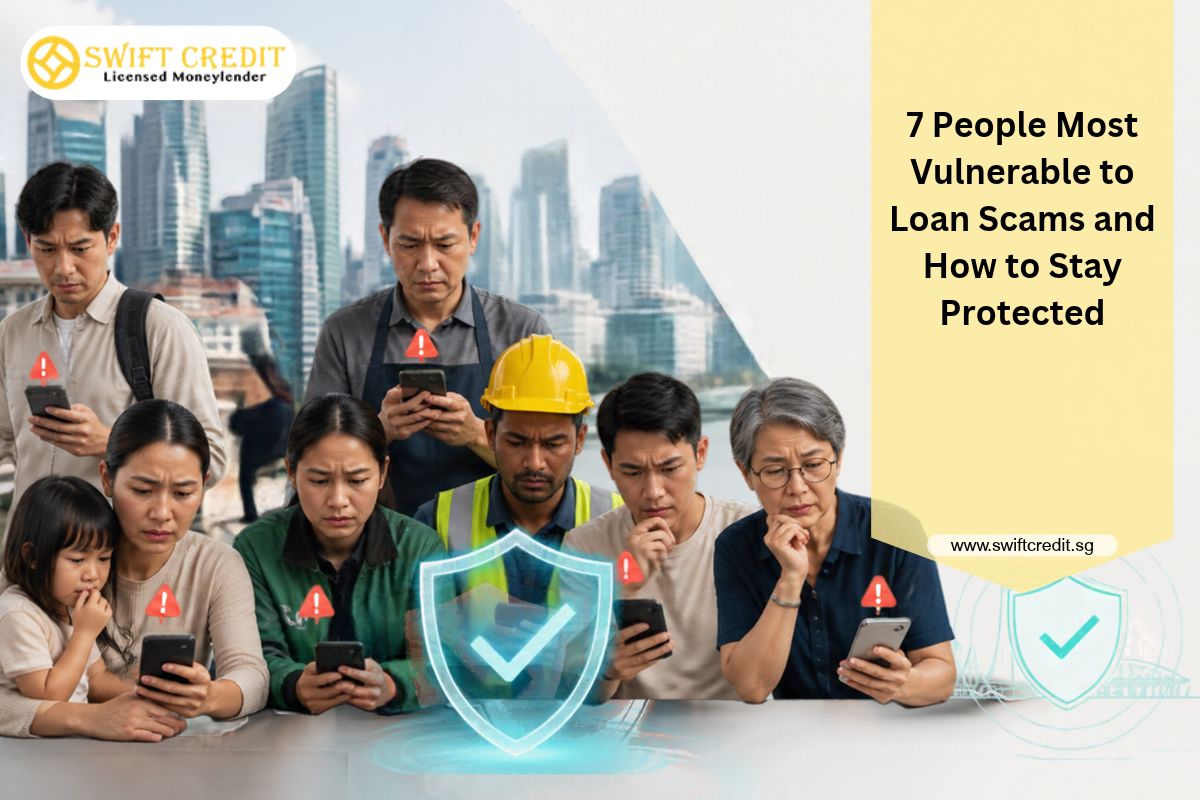
Loan scams can affect almost anyone, but certain groups are more vulnerable because of financial pressure, limited borrowing experience, or unfamiliarity with legitimate lending procedures. This can include people searching for a personal loan, foreigner loan, or other forms of fast financing when they need money urgently.
Scammers understand these weaknesses and often design their offers to appear fast, convenient, and reassuring. A fraudulent loan offer may promise easy approval, minimal documentation, or immediate access to cash, which can be especially tempting to borrowers who have already been rejected elsewhere.
Understanding who scammers commonly target can help borrowers recognise warning signs before falling into a costly trap. Here are seven groups that may face a higher risk of becoming victims of loan scams.
1. Borrowers with Limited or Poor Credit History
People with a weak credit record or little borrowing history may find it harder to obtain financing from conventional financial institutions. After experiencing several rejected applications, they may become more receptive to lenders claiming that credit history does not matter.
Scammers take advantage of this frustration by presenting themselves as an easy alternative. They may promise guaranteed approval for a personal loan or claim that they can release funds without conducting the usual checks.
The danger is that borrowers who are unfamiliar with legitimate lending procedures may not immediately recognise suspicious behaviour. Before responding to any loan offer, borrowers should verify whether the company is legitimate and understand the normal application process.
An offer that appears unusually easy should be treated carefully, particularly if the supposed lender starts requesting payments before the borrower has properly verified the business.
2. People Experiencing Financial Difficulties
Financial stress can make borrowers more vulnerable to impulsive decisions. Someone dealing with overdue bills, reduced income, unemployment, or unexpected household expenses may feel that securing additional money quickly is the only immediate solution.
Scammers deliberately create offers that appeal to this urgency. Messages promising “instant cash”, “guaranteed loans”, or approval within minutes can appear extremely attractive when someone needs money urgently.
The problem is that financial pressure often reduces the amount of time a person spends checking the legitimacy of an offer. Instead of comparing lenders or researching the company, they may focus entirely on receiving the funds.
Borrowers facing financial difficulties should avoid making decisions based solely on speed. Even during urgent situations, verifying the lender and reviewing the borrowing terms can help prevent a financial problem from becoming even more serious.
3. Young Adults and First-Time Borrowers
Young adults, university students, fresh graduates, and first-time borrowers may have limited experience dealing with lenders. They may not yet understand how legitimate loan applications normally work or which requests should immediately raise concerns.
Fraudsters may target younger borrowers through social media advertisements, messaging platforms, or websites promoting quick cash. Some scams may be disguised as education financing, student assistance, or convenient personal loans.
A common tactic is to convince the borrower that a small payment is required before the loan can be released. The payment might be described as an administration charge, security deposit, account activation cost, or another official-sounding fee.
Young borrowers should avoid assuming that professional-looking advertisements or websites automatically indicate legitimacy. Checking the lender through official sources is far more reliable than judging an offer based on its branding or online presentation.
4. Seniors and Less Digitally Experienced Borrowers
Older adults can also become targets, particularly when scammers use technology, impersonation, or intimidating messages to create confusion. A fraudulent caller may pretend to represent a financial institution, government body, or lending company.
Scammers may create a sense of urgency by claiming that an account has been compromised, a payment is overdue, or immediate action is necessary. Under pressure, the victim may be persuaded to reveal personal details or transfer money.
People who are less familiar with digital banking, online verification, or modern scam tactics may have difficulty distinguishing genuine communications from fraudulent ones. Scammers frequently depend on this uncertainty.
Family members can also help by discussing common scam techniques with elderly relatives. Encouraging them to verify unexpected financial requests before taking action can provide an additional layer of protection.
5. Foreigners and Migrant Workers in Singapore
Foreign residents and migrant workers may be unfamiliar with Singapore’s lending environment, particularly if they have only recently arrived. Differences in regulations, financial systems, and borrowing practices can make fraudulent loan offers more difficult to identify.
Scammers may falsely present themselves as legitimate lenders offering specialised financing for foreigners. Their advertisements may promise fast approval despite limited documentation or employment history.
Victims may then be asked to transfer money for supposed processing, verification, insurance, or administrative purposes. Once the payment is made, the scammer may disappear or continue demanding additional payments.
Foreign borrowers should independently verify any lender rather than relying on information supplied within advertisements or messages. Anyone claiming to be a licensed money lender in Singapore should be checked against the relevant official sources before the borrower proceeds.
6. Small Business Owners Seeking Fast Financing
Small business owners frequently experience cash flow fluctuations. Expenses such as payroll, rent, supplier invoices, equipment repairs, or inventory purchases can sometimes create an urgent need for additional funding.
Scammers recognise this and may advertise business financing with unusually attractive conditions. Offers such as “no paperwork”, “guaranteed business funding”, or “approval regardless of financial history” can be particularly tempting to business owners who need funds quickly.
Fraudsters may then request an upfront payment for insurance, processing, registration, legal documentation, or loan activation. After receiving the payment, they may stop responding entirely.
Business owners should evaluate financing offers with the same care they would apply to any other significant business transaction. A legitimate-looking company name, website, or salesperson should never replace proper verification.
7. People Facing Sudden Emergencies
Emergencies are another major factor that scammers exploit. Medical expenses, urgent repairs, family problems, unexpected travel, or sudden debt obligations can place people under enormous pressure.
When someone needs money immediately, careful comparison and research may feel less important than obtaining funds quickly. Scammers understand this psychological pressure and often emphasise speed in their advertisements.
They may claim that a personal loan can be approved instantly with almost no checks. Victims who are worried about solving an immediate problem may overlook unusual requests or suspicious payment instructions.
Even when circumstances are urgent, taking a few additional steps to verify the lender can make a major difference. Borrowers should avoid allowing artificial deadlines or aggressive messages to force them into immediate action.
Why Loan Scam Victims Often Realise Too Late
Loan scams are effective because they often begin with something the victim genuinely needs. The scammer does not necessarily start with an obviously suspicious request. Instead, the initial conversation may appear professional and helpful.
Once trust has been established, additional conditions may gradually appear. The borrower might be told that a payment is needed to unlock the loan, increase the approved amount, clear a verification problem, or complete the transfer.
After someone has already paid once, scammers may continue inventing additional reasons for further payments. Victims sometimes keep sending money because they hope that one final transfer will allow them to recover what they have already paid.
This is why recognising warning signs early is so important.
How to Reduce Your Risk of Loan Scams
Borrowers should independently research any lender before providing identification documents, banking information, passwords, or money. Never rely entirely on contact details, websites, screenshots, licences, or documents provided by the person offering the loan.
For Singapore borrowers, official government sources should be used when checking whether a moneylender is properly licensed. Verification should be carried out independently instead of following links supplied by an unknown person.
Be particularly cautious when an unsolicited loan offer promises guaranteed approval or pressures you to act immediately. Fraudsters frequently use urgency because it leaves victims less time to question the offer.
Borrowers should also carefully review the cost and repayment terms of legitimate financing before accepting a loan. Avoiding scams is important, but making sure the loan itself remains affordable is equally essential.
FAQs About Loan Scams
Can Scammers Use My Personal Details Even If I Did Not Transfer Money?
Yes. Personal information such as identity documents, bank details, addresses, employment information, or login credentials can potentially be misused even if no payment was made. Avoid sending sensitive information until you have independently confirmed who you are dealing with.
If you believe personal information has been provided to a scammer, consider contacting the relevant financial institution or authorities promptly and taking appropriate steps to secure affected accounts.
Does A Professional-Looking Loan Website Mean The Company Is Legitimate?
No. Websites, company logos, customer testimonials, and professional-looking documents can all be copied or fabricated. Visual appearance alone is not reliable evidence that a lender is legitimate.
Borrowers should verify the company independently through official records and trusted sources rather than depending entirely on information displayed on the website itself.
What Should I Do If I Suspect A Loan Offer Is A Scam?
Stop communicating with the suspected scammer and avoid sending additional money or personal information. Preserve relevant messages, payment records, phone numbers, websites, and screenshots because they may be useful when reporting the incident.
If money or banking information has already been provided, contact your bank or relevant financial institution as soon as possible. You should also consider reporting the suspected scam through the appropriate Singapore authorities.
Protect Yourself by Choosing a Legitimate Loan Provider in Singapore
Loan scammers often target people when they are under pressure, inexperienced with borrowing, or unfamiliar with Singapore’s lending system. Recognising these vulnerabilities and verifying lenders carefully can significantly reduce the risk of becoming a victim.
If you are considering financing, work only with legitimate providers and take time to understand the loan terms before committing. Swift Credit encourages borrowers to make informed financial decisions, understand their repayment obligations, and deal only with properly verified lending channels when considering a personal loan in Singapore.